
sarbodayanepaljumla@gmail.com
9858320498
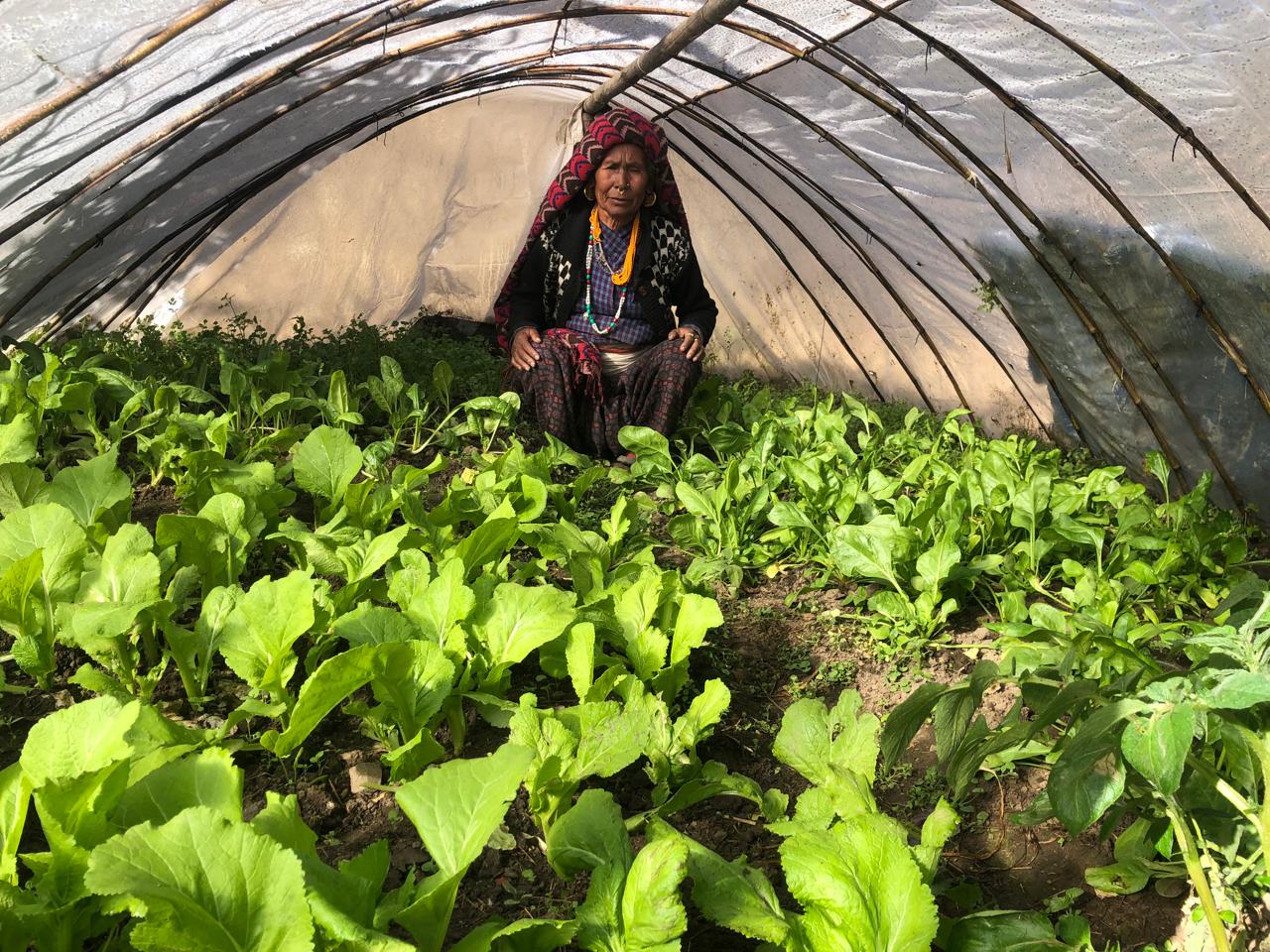
Sarbodaya Nepal: Weaving a Tapestry of Resilience Across 72 Wards
In the face of escalating climate volatility and entrenched socio-economic challenges, Sarbodaya Nepal has embarked on a transformative journey to build foundational resilience from the ground up. Implementing an integrated, four-pillar framework across 72 wards, the organization addresses the complex nexus of poverty, environmental degradation, disaster risk, and gender inequality. This holistic model recognizes that sustainable resilience cannot be achieved by addressing these issues in isolation; instead, it strategically intertwines Income Generation, Climate Action, Disaster Risk Reduction (DRR), and Gender-Just Resilience to create communities that are not only able to withstand shocks but to thrive in spite of them.
The Integrated Pillars of Action:
1. Income Generation: The Foundation of Economic Security
Sarbodaya Nepal establishes economic empowerment as the bedrock of long-term resilience. Moving beyond short-term aid, the organization facilitates the creation of sustainable, climate-resilient livelihoods. This includes promoting climate-smart agriculture—such as introducing drought-resistant crops and efficient irrigation techniques—that safeguards food and income sources against climatic extremes. Furthermore, it supports the development of green enterprises, such as non-timber forest product cooperatives, sustainable handicrafts, and eco-tourism initiatives. By diversifying income streams and embedding them within sustainable practices, communities reduce their vulnerability to single-point failures and build assets that buffer against financial shocks.
2. Climate Action: Proactive Stewardship for a Sustainable Future
Concurrent with economic initiatives, Sarbodaya Nepal embeds direct environmental action into the fabric of community life. Programs focus on biodiversity conservation, large-scale afforestation and agroforestry drives, and the promotion of clean energy solutions like improved cookstoves and solar power. These measures serve a dual purpose: they enhance carbon sequestration and ecosystem health (mitigation) while directly protecting soil, water sources, and local climates (adaptation). For instance, reforestation on slopes prevents landslides, conserves water, and provides future resources, making it a critical climate adaptation strategy that also supports DRR and future income.
3. Disaster Risk Reduction: From Reactive Response to Proactive Preparedness
Understanding that climate change intensifies disaster frequency and severity, Sarbodaya Nepal works to shift the community paradigm from disaster response to risk-aware preparedness. This involves participatory risk mapping, where community members identify local hazards and vulnerabilities. Based on these maps, they develop and practice localized disaster management plans, establish community-managed early warning systems for floods or landslides, and construct mitigation infrastructure such as rainwater harvesting ponds or bio-engineering slope stabilization. This pillar ensures that the gains made in income and environmental health are protected from sudden-onset disasters.
4. Gender-Just Resilience: Ensuring Equity is Central, Not Peripheral
Crucially, every intervention is designed through an intentional gender-responsive lens. Sarbodaya Nepal recognizes that women and marginalized groups are disproportionately affected by climate and disaster risks, yet are also pivotal agents of change. The program ensures their meaningful participation in all decision-making bodies, from village committees to disaster preparedness teams. Targeted capacity-building, leadership training, and access to resources are provided to women, enabling them to lead conservation efforts, manage micro-enterprises, and advocate for their needs. By addressing structural inequalities and empowering women as leaders, the resilience built is deeper, more innovative, and truly inclusive.
The Synergistic Impact: A Model for Holistic Development
The power of Sarbodaya Nepal’s work lies in the deliberate synergy between these pillars. A women-led cooperative growing medicinal plants (Income Generation + Gender Justice) contributes to reforestation (Climate Action) and stabilizes slopes (DRR). A community-managed forest provides sustainable fodder and fuelwood (Income & Climate Action), while also acting as a critical buffer against landslides (DRR), with women’s groups overseeing its protection (Gender Justice).
Across 72 wards, this integrated approach has catalyzed a profound shift. Communities are transitioning from precarious survival to managed sustainability. They are equipped with diversified livelihoods that respect ecological limits, proactive plans to guard against known hazards, and inclusive governance structures that ensure no one is left behind. Sarbodaya Nepal’s model demonstrates that resilience is multifaceted—it is economic, environmental, social, and equitable. By weaving these threads together, they are not just helping communities survive the next crisis; they are empowering them to define and secure a more prosperous, just, and sustainable future on their own terms.
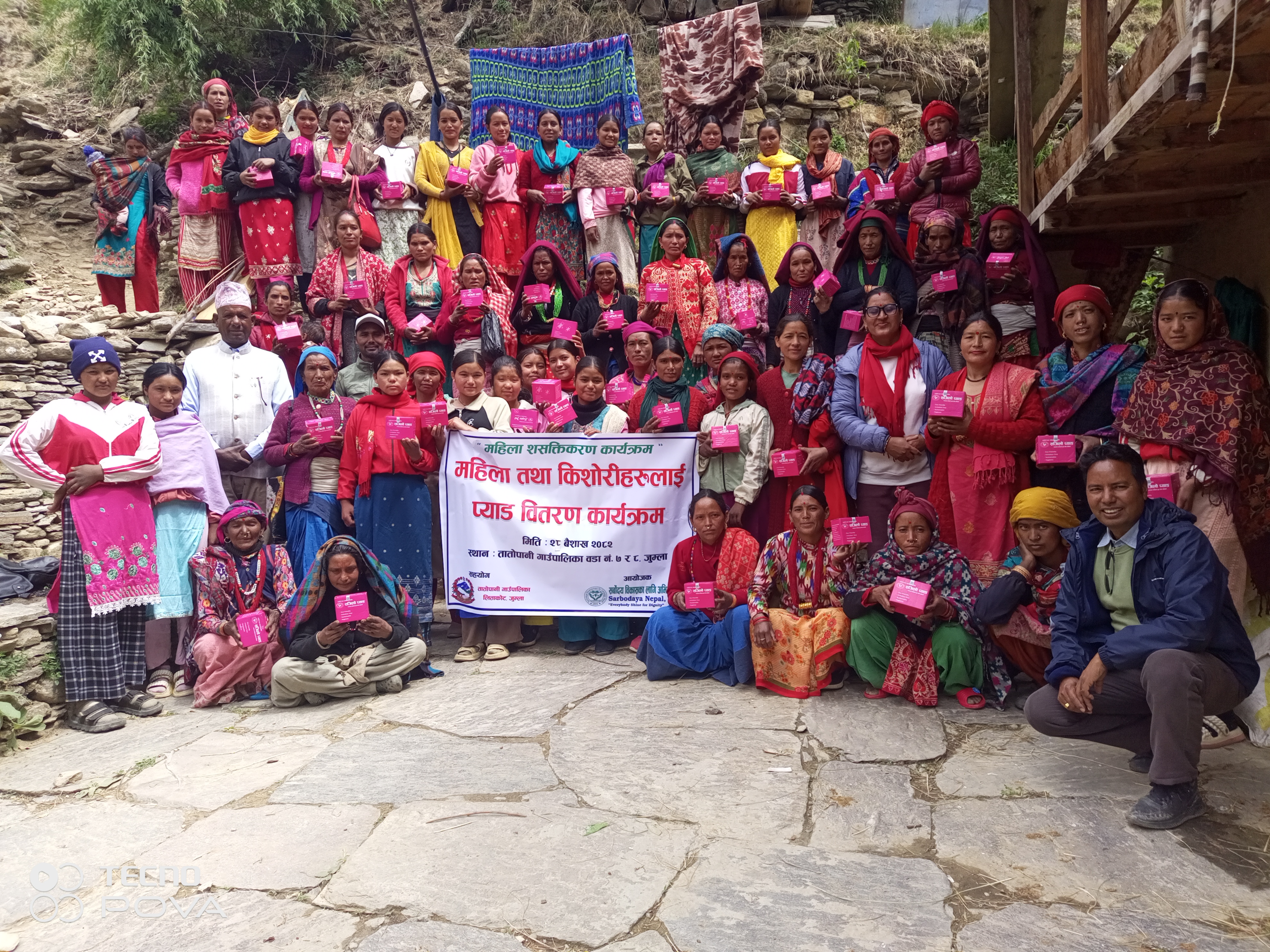
Provide support to sexual and reproductive health related i...
Read More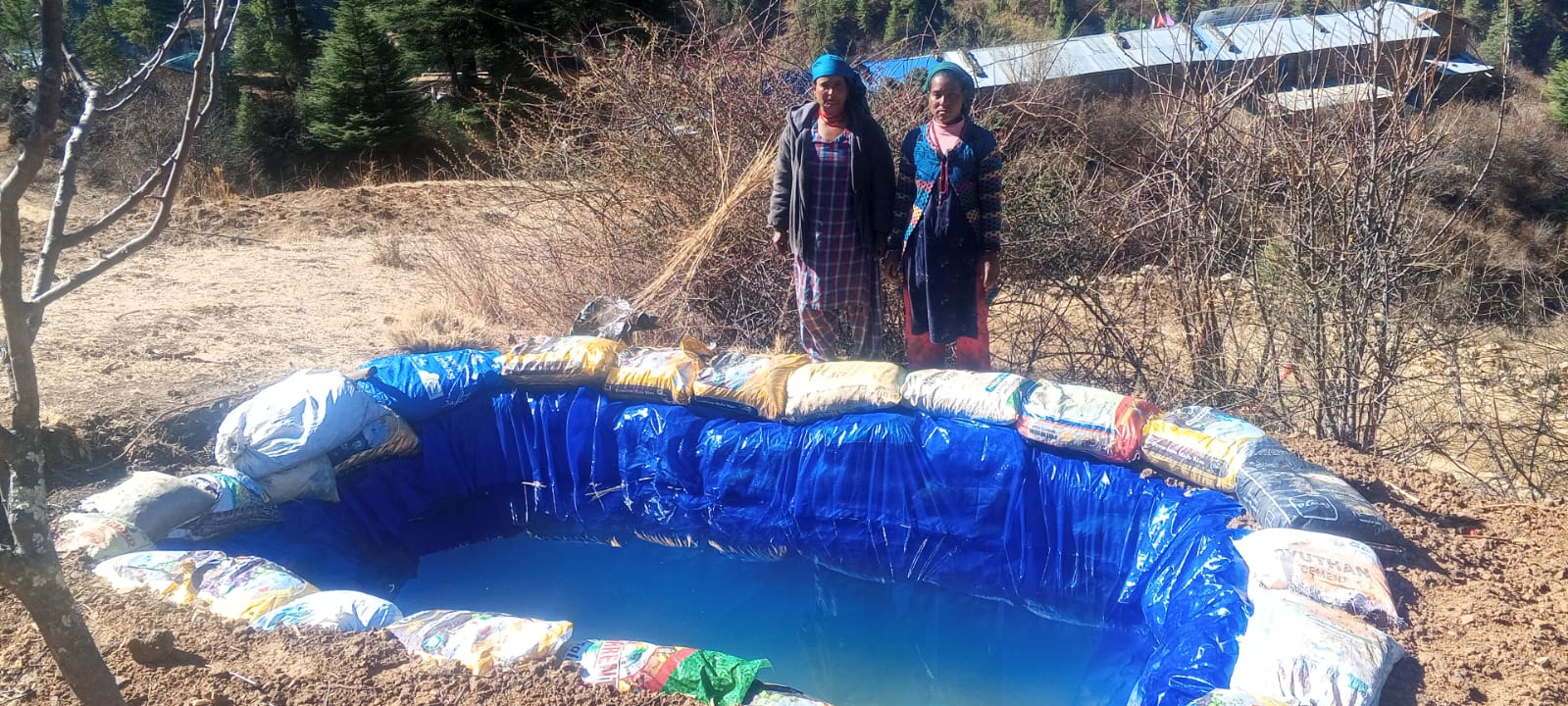
Sarbodaya Nepal (Jumla): Advocating for Community Resilience throug...
Read More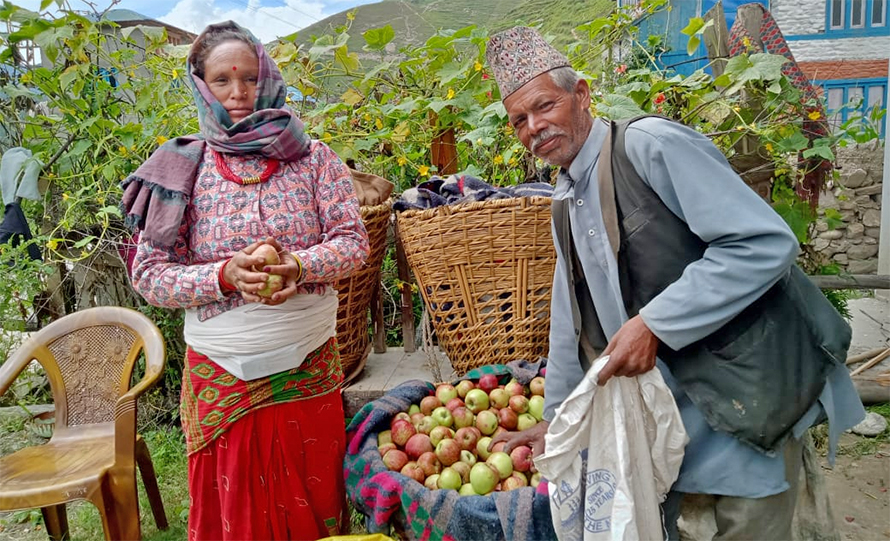
Gender Equality and social inclusion/ Gevnder Besed Violenc...
Read More