
sarbodayanepaljumla@gmail.com
9858320498
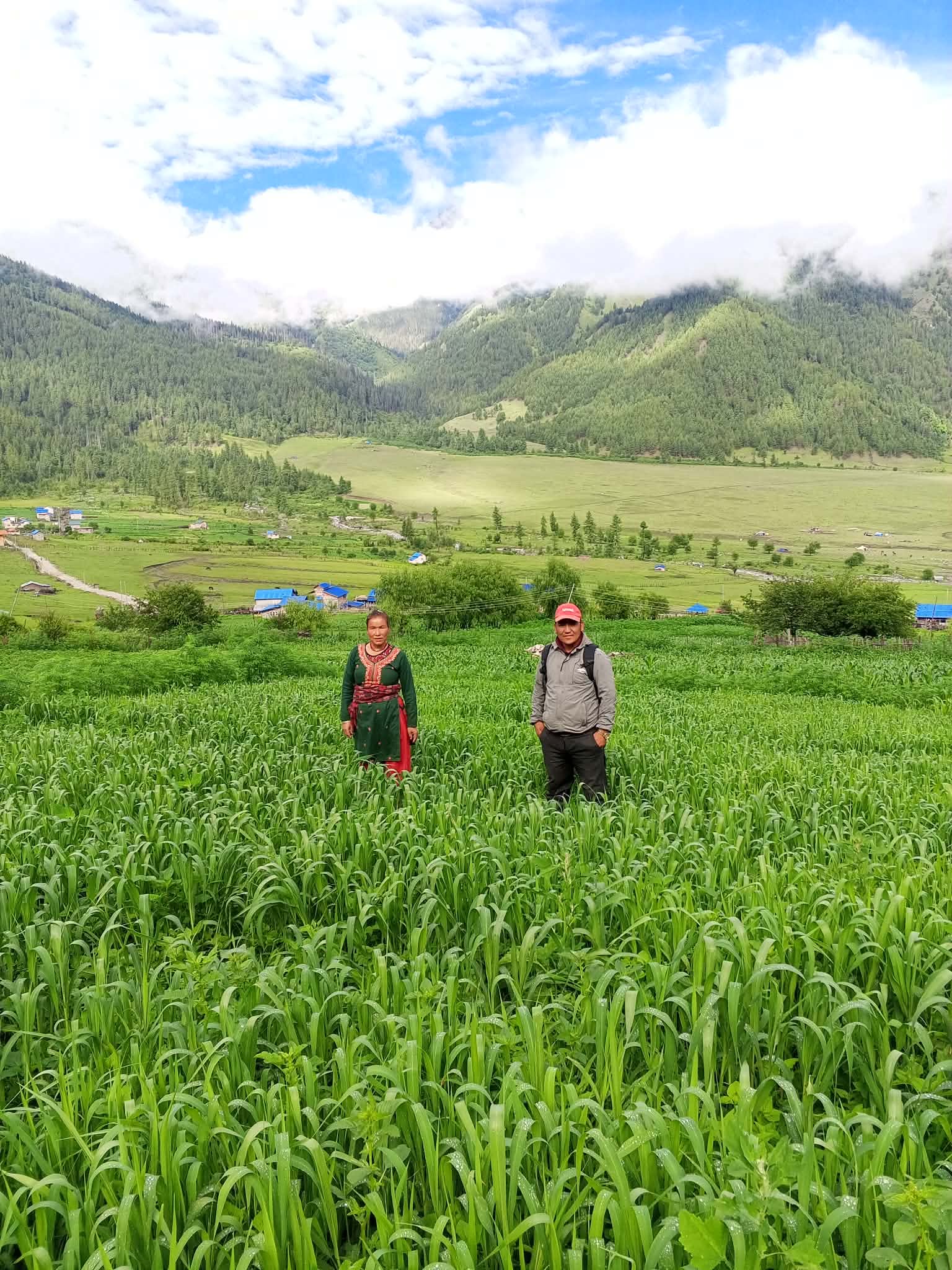
The Community Development and Knowledge Management for the Satoyama Initiative (COMDEKS) Phase 4 is implemented by Sarbodaya Development for Campaign Nepal in partnership with UNDP-GEF Small Grants Programme, with funding from the Japan Biodiversity Fund. The program operates across three strategic landscapes in Nepal: the Lower Tamor Landscape in Eastern Nepal (Terhathum, Dhankuta, and Sunsari districts), the Tinau Landscape in Western Nepal (Palpa, Gulmi, Rupandehi, and Kapilbastu districts), and the Upstream Tila River Landscape in Jumla district, Karnali Province.
The Lower Tamor Landscape is a biodiversity hotspot featuring 32 rhododendron species, serving as a critical wildlife corridor linking the Terai lowlands with the eastern Himalayas, supporting endangered species including Red Pandas, Clouded Leopards, and Himalayan Black Bears. However, the landscape faces challenges including forest degradation (declining growing stock from 178 to 164 m³/ha), human-wildlife conflict causing 30-50% crop losses, drying springs, and significant out-migration.
The Tinau Landscape encompasses diverse ecological zones from the Mahabharat Range to the Terai plains, hosting critical vulture populations and the endangered Sarus Crane. Key challenges include escalating forest fires due to out-migration and leaf litter accumulation, land degradation in fragile Siwalik formations, water scarcity, and unplanned urbanization in Butwal.
The Upstream Tila River Landscape in Jumla represents the headwaters of the Karnali River system, featuring rich biodiversity with over 520 plant species, high-value medicinal herbs (Yarchagumba, Jatamasi, Panchaule), and traditional crops like Jumli Marshi rice. The landscape faces severe challenges including deforestation, erratic rainfall, drying springs, soil erosion, declining agricultural productivity, and loss of traditional crop varieties.
All three landscapes represent Socio-Ecological Production Landscapes (SEPLS) where human communities and natural ecosystems are inextricably linked. The program adopts an integrated approach addressing ecosystem restoration, sustainable livelihoods, agricultural systems, and governance strengthening through community-led interventions.
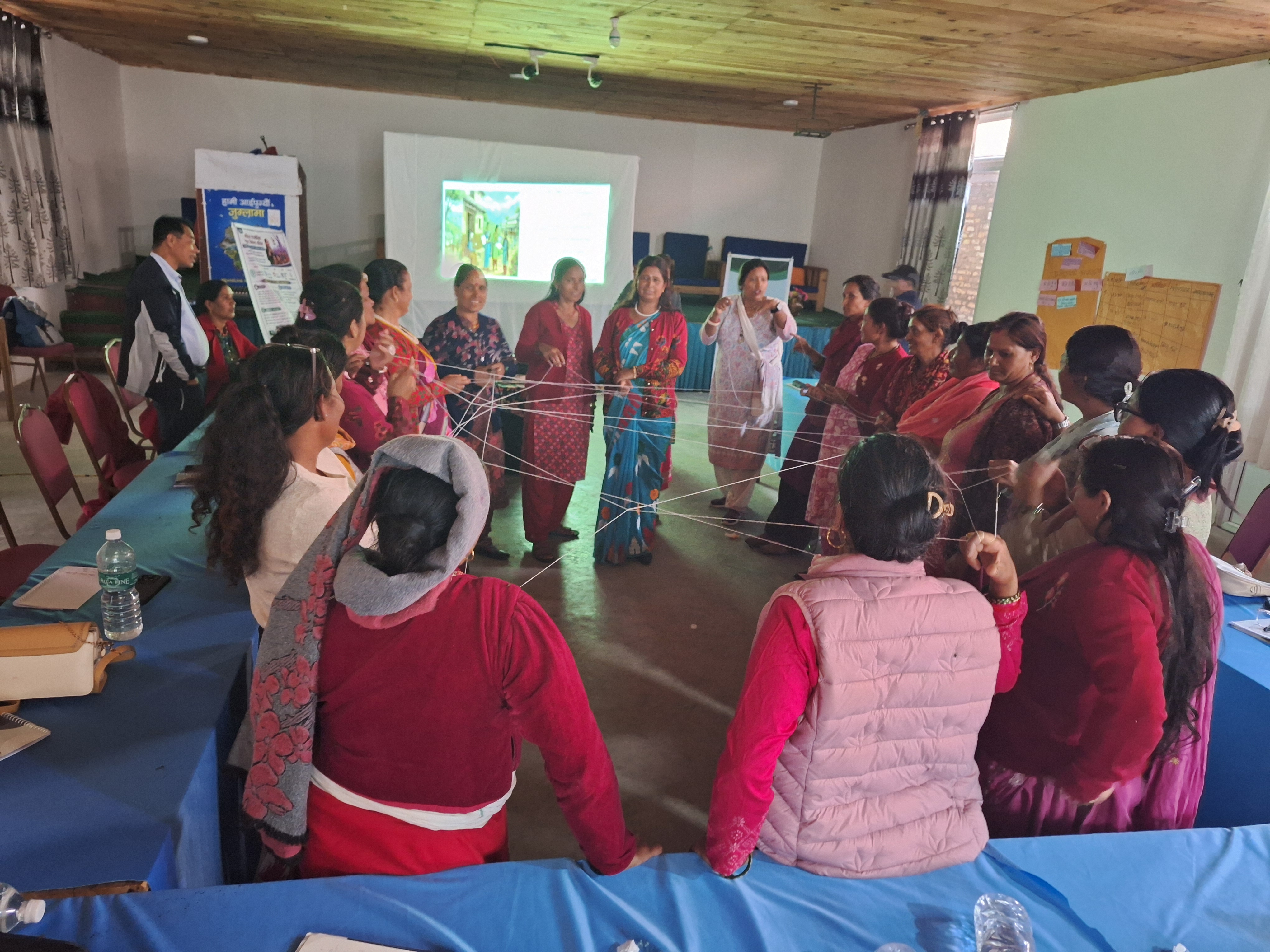
The Women Leadership and Organization Strengthening Program was imp...
Read More
The Capacity Building of Women Leadership Program aims to strengthe...
Read More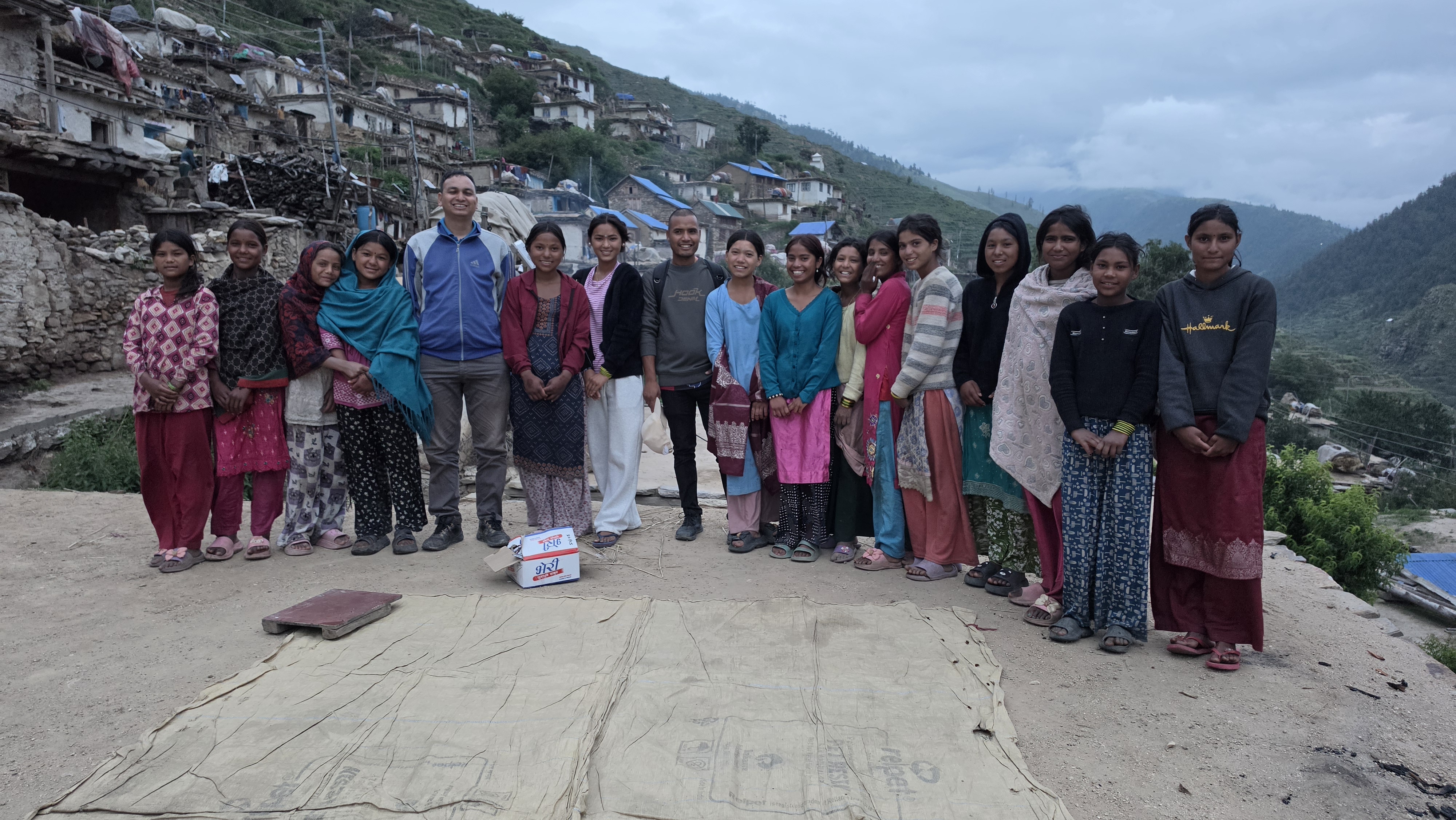
The Girl Education and Strengthening Program aims to ensure that gi...
Read More
The Women Empowerment Program aims to enhance women’s rights, leade...
Read More