
sarbodayanepaljumla@gmail.com
9858320498
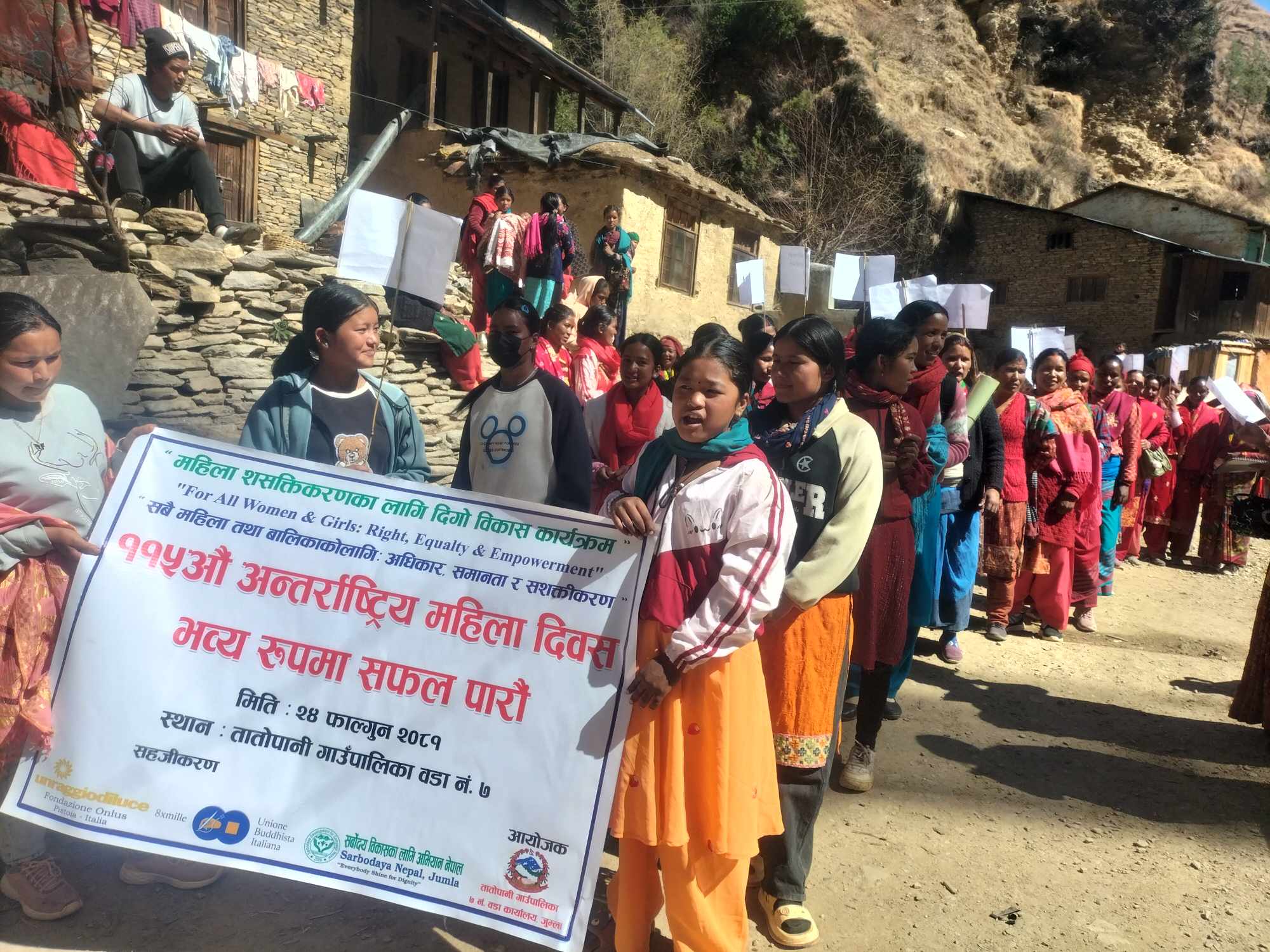
In a society shaped by patriarchal thinking and poverty-driven mindsets, women have long been confined to household chores and farming work. Advocating for gender equality in such a social structure—where women are viewed only as productive labor within the home—has never been easy. Changing these deep-rooted traditional beliefs has also been very challenging. For hundreds of women in Jumla, daily life has been spent cooking, cleaning, and working in the fields. Even today, much of their time is still devoted to household responsibilities, but the way they live their lives has begun to change.
Compared to the past, women’s lives are now being lived in a different and more empowered way. A strong example of this change is 41-year-old Dhanalakshmi Dhital from Ward No. 4 of Tila Rural Municipality. Living in a family of six, she once spent her days cooking, feeding family members, and managing household work. Today, she has become an advocate for women’s empowerment. After joining the Shivadev Women’s Group formed in the village by Sarvodaya Nepal, her daily life transformed completely. Earlier, she was afraid even to attend meetings or speak at gatherings.
The same Dhanalakshmi Dhital, who once hesitated to introduce herself, now confidently steps forward and speaks at public programs. Through the Shivadev Women’s Group, the idea that “women should not speak much” has been challenged, and the belief that women have equal rights as men has been strengthened. As a result, men in the community have also begun taking women’s empowerment issues seriously. Like Dhanalakshmi, hundreds of women are becoming empowered day by day. Regular monthly group meetings that focus on women’s empowerment, reducing women’s workload, and promoting gender equality have further strengthened their confidence.
Women who were once limited to the kitchen and courtyard have now become more aware in every aspect of village life due to the awareness created by Sarvodaya Nepal. Using seeds provided through the group, women are now engaged in vegetable farming and livestock rearing such as cows and goats, earning between NPR 25,000 to 30,000 per month. They are contributing to their children’s education, managing household expenses, and actively participating in daily financial decision-making at home. With technical and theoretical support from livelihood improvement projects, the living standards of hundreds of women like Dhanalakshmi have improved. Most importantly, they have become aware of their rights and responsibilities and are now able to openly express their pain and concerns with confidence.
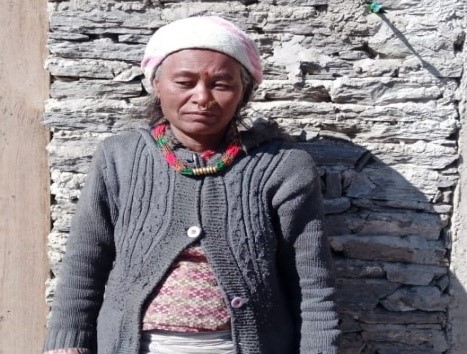
Lack of education and awareness is one of the biggest reasons behin...
Read More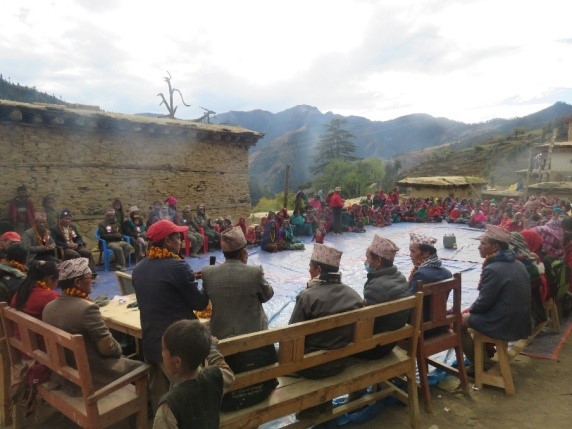
There are around 140 households in Talfī, Ward No. 2 of Patarasi Ru...
Read More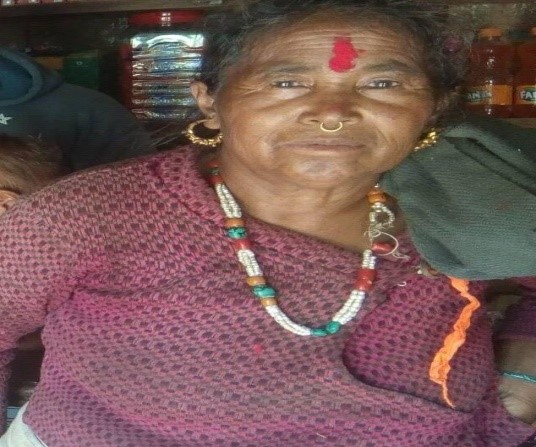
Kabita Budha is a 50-year-old woman from Japnagaon, Ward No. 5 of P...
Read More